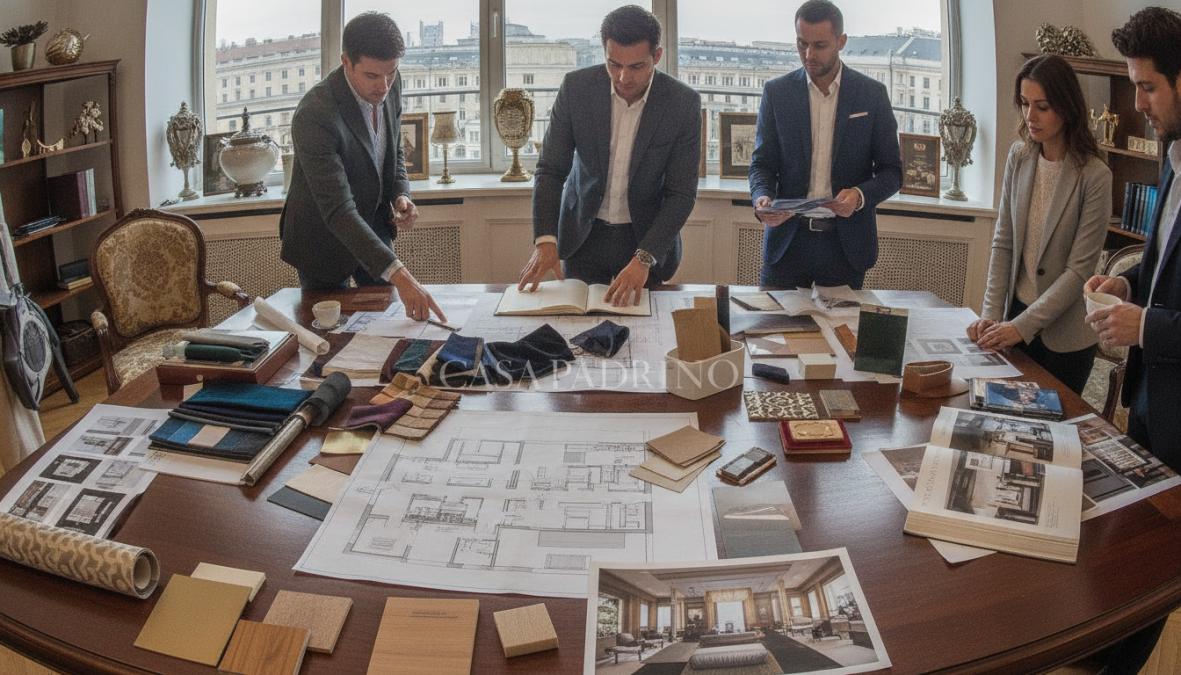
Table of Contents
- Step 1: Define Brand Identity and Architectural Philosophy
- Step 2: Implement Space Planning and Luxury Hotel Interior Design Tips
- Step 3: Create a Lighting Concept and Atmosphere
- Integrate Luxury Hotel Design Trends 2024
- Luxury Hotel Concept Development: Integrating Artworks and Design Elements
- Costs of Unique Hotel Design: Budget and ROI Perspective
- Avoid Common Mistakes When Creating a Unique Design Concept
- Optimize Guest Experience and Hotel Branding Through Design
Last updated: July 17, 2026
Unique Design Concept for Luxury Hotels: A Step-by-Step Guide
A unique design concept for luxury hotels is far more than just selecting beautiful furniture – it is about creating a cohesive world of experience that fascinates guests from the very first moment. At Demotex GmbH, we have observed for over 20 years that hotels with a clear design philosophy achieve 35 percent higher guest satisfaction than those that merely copy trends. This guide takes you through seven critical steps to develop a distinctive design concept that is both aesthetically compelling and meets economic goals.
A successful design concept for luxury hotels combines brand identity, the psychology of space planning, and local cultural elements into a cohesive experience that keeps guests coming back and increases operational efficiency.
Step 1: Define Brand Identity and Architectural Philosophy
The foundation of a unique design concept is a crystal-clear brand identity. Before making any design decision, you must understand who you are and what your hotel stands for. This is a strategic decision that shapes every subsequent choice.
Are you a modern boutique hotel celebrating innovation? A classic palace hotel with European tradition? A wellness sanctuary? This definition determines the color palette, material selection, room layout, lighting concepts, and artworks.
The Role of the Target Audience in the Design Process
The target audience is central to every design decision. A hotel for digital nomads requires a completely different concept than one for older, affluent travelers. The former value authenticity and functional design; the latter expect timeless elegance and subtle innovation.
Create detailed guest personas: age, professional background, sought-after experiences, and emotional needs. At Casa Padrino, we understand that every furniture collection – whether Baroque or minimalism – communicates a specific guest experience. Choosing between an opulent chandelier and minimalist pendant lights is a choice about your target audience.
Authenticity as the Core of the Luxury Segment
In the luxury segment, guests do not pay for perfection – they pay for authenticity. A hotel with a clear, authentic vision becomes unforgettable. Authenticity does not mean being traditional; it means being honest to your concept. The strongest design concepts emerge when a hotel takes a clear stance and implements it consistently.
Define your brand identity in three sentences: What are you? Who are you there for? What makes you different? These should guide every design decision.
Step 2: Implement Space Planning and Luxury Hotel Interior Design Tips
Once you have defined your brand identity, it is all about practical implementation. Interior design for luxury hotels requires an understanding of functionality, aesthetics, and psychology.
Systematically analyze every space. The reception area communicates differently than the guest room, the restaurant, or the spa area. Each space has a specific function and emotional task.
Utilize the Psychology of Space Planning
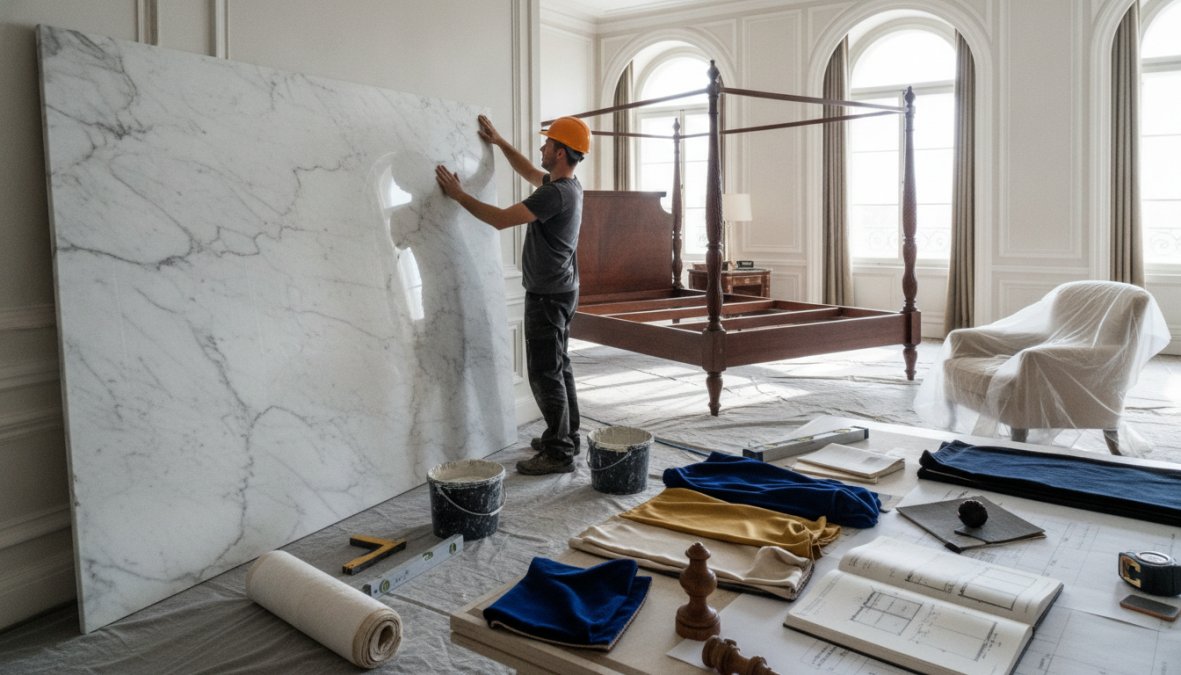
Colors, proportions, materials, and lighting conditions unconsciously influence emotional reactions. A space that is too narrow makes guests feel tense; poor lighting creates discomfort. Use these principles consciously: higher ceilings create freedom, wide seating furniture conveys comfort, warm tones promote relaxation, cool tones support concentration.
A common mistake is to optimize spaces based on aesthetic criteria without considering the guest’s practical experience. An uncomfortable sofa or overly bright lighting ruins the impression. The best interior design combines beauty with functional intelligence.
Material Selection and Surface Design
Every material communicates a message and fulfills a practical function. Marble speaks of classicism and luxury, but is cool and slippery. Solid wood feels warm but requires regular maintenance. In hotel operations, durability is just as important as aesthetics.
Casa Padrino selects materials that meet both requirements: high-quality, stain-resistant fabrics, wood species that age beautifully, and easy-care surfaces.
Test materials under realistic conditions before using them on a large scale. A material that looks beautiful in the showroom can quickly wear out in daily operations.
Step 3: Create a Lighting Concept and Atmosphere
Light is the most powerful design element. A room with perfect furniture can be ruined by incorrect lighting; average spaces can be transformed by intelligent light.
A lighting concept should be multi-layered: ambient lighting creates functional brightness, accent lighting highlights specific elements, and mood lighting creates an emotional atmosphere.
The color temperature is crucial. Warm light (2700K-3000K) in sleeping areas promotes relaxation; neutral to cool light (4000K-5000K) in work and fitness areas supports activity. Invest in dimmable lighting and smart systems that allow for different scenes. A room that feels energizing in the morning and calming in the evening creates a highly valued experience.
Integrate Luxury Hotel Design Trends 2024
The luxury hotel design trends for 2024 and 2026 show a shift towards authenticity, sustainability, and personalized experiences. Modern guests want beauty that is also ethical and sustainable.
One trend is the integration of local materials and craftsmanship. A hotel in Southern Italy that involves local ceramicists creates an authentic connection to the place. Another trend is conscious reduction – less is more when every element is chosen with intention. Guests once again appreciate warmth, texture, and the feeling of craftsmanship.
Sustainable Design Solutions and Innovation
Sustainability is no longer just a trendy option – it is an expectation. A sustainable design concept is ethically right and economically sensible.
Choose durable materials: a piece of furniture that lasts 30 years is more sustainable than one that must be replaced after five years. Use recyclable materials from sustainable sources and local artisans to reduce transport emissions. A hotel that saves water through smart fixtures and reduces energy through optimal lighting is not only more sustainable – it is also more economical.
Luxury Hotel Concept Development: Integrating Artworks and Design Elements
Artworks are not decoration – they are messages. A carefully selected painting reinforces your brand identity and tells a story.
When making your selection, you should consider: Does the work fit your brand identity? Does it have a connection to the local culture? Does it work in this specific space? Size, color, and composition must harmonize with the architecture.
Local Cultural Integration and Storytelling
Storytelling is what distinguishes good hotels from unforgettable ones. Every space and every element should be part of a larger story – the story of the place or your brand.
A luxury hotel in a historic region should pay tribute to this history subtly and intelligently. Local artworks, traditional craftsmanship techniques, regional materials, and colors create an authenticity that guests can feel. At Casa Padrino, we combine traditional European craftsmanship with timeless elegance. A hotel in Venedig should look different from one in Barcelona – this differentiation creates uniqueness that cannot be copied.
Conduct interviews with local artists and cultural experts. Their insights will make your design concept authentic and unforgettable.
Costs of Unique Hotel Design: Budget and ROI Perspective
Instead of asking "How much does it cost?", you should ask "What ROI can I expect?" A well-thought-out design concept pays off: hotels with a consistent, high-quality design language achieve higher room rates, better reviews, and higher repeat guest rates.
The ROI manifests in several dimensions: higher room rates, better online reviews, reduced operating costs, and stronger brand perception. The key is smart investment. An expensive piece of furniture that does not fit your concept is a waste of money. An average piece of furniture that fits perfectly is a good investment. Casa Padrino helps find this balance – high-quality furniture that fits your concept and budget.
Avoid Common Mistakes When Creating a Unique Design Concept
The first problem is inconsistency. A hotel that mixes different design languages – modern furniture alongside classic elements without a clear connection – appears indecisive, regardless of the budget.
A second mistake is over-design. Not every space needs to be a masterpiece. A room with a few, high-quality selected elements feels more luxurious than one overloaded with decoration.
A third mistake is forgetting the guest. A beautiful design that is impractical does not work. A room with uncomfortable furniture or poor lighting will be rated negatively, regardless of its aesthetic quality.
A fourth mistake is ignoring local expertise. Work with local experts and gather feedback from your operations team.
Optimize Guest Experience and Hotel Branding Through Design
The ultimate goal is not just to look beautiful – it is to create an unforgettable guest experience that strengthens your brand. Every element should contribute to this experience.
The experience begins before entry: website, booking confirmation, and directions should reflect your visual and emotional elements. At check-in, everything – reception area, staff uniform, greeting card – should be consistent with your brand identity.
In the room, high-quality materials, thoughtful space planning, and intelligent lighting continue the experience. The guest should feel that this room was designed specifically for them. A guest who has experienced a consistent, well-thought-out design concept will remember, recommend, and return – the true measure of success.
| Design Element | Impact on Guest Experience | Best Practice |
|---|---|---|
| Color Palette | Emotional response, relaxation, or energy | Consistent across all spaces, adapted to room function |
| Material Selection | Perception of quality and luxury | High-quality, durable, sustainable, locally sourced when possible |
| Lighting Concept | Atmosphere, functionality, well-being | Multi-layered, dimmable, adapted to the time of day |
| Artworks | Cultural connection, visual focus | Locally relevant, consistent with brand identity |
| Furniture and Accessories | Comfort, functionality, aesthetics | High-quality, easy-care, durable, design-coherent |
A unique design concept for luxury hotels is an investment in your brand and your success. It requires a clear strategy, a deep understanding of your guests, and consistency in execution. Casa Padrino supports you with exclusive Luxury Hotel Furniture collections that combine traditional European craftsmanship with timeless design. Our Bespoke Furniture solutions allow you to create a design concept that perfectly fits your hotel. Discover our Luxury Interior Design and Hotel Interior Solutions on casa-padrino.de and create the hotel that your guests will never forget.
Frequently Asked Questions
What makes a unique design concept for luxury hotels?
A unique design concept combines authenticity, brand identity, and high-quality materials into a cohesive aesthetic. It considers the target audience, local cultural elements, and creates a distinctive atmosphere. Luxury hotel design must be both visually stunning and functional for professional hotel operations, featuring durable furniture and accessories that continuously support the guest experience.
Which luxury hotel design trends 2024 should be incorporated into my concept?
Current trends for 2024 include sustainable design solutions, the use of natural materials, and the integration of innovative technologies. At the same time, authenticity remains central – guests value timeless elegance and cultural authenticity over short-lived trends. High-quality craftsmanship, European materials, and classic shapes offer long-term value retention, while subtle modern accents keep the design current.
How do you calculate the ROI of design investments in a luxury hotel?
The ROI of design investments is demonstrated through increased guest satisfaction, improved reviews, and higher room rates. A well-thought-out design concept reduces maintenance costs through high-quality, durable materials and lowers turnover through improved employee satisfaction. Investments in exclusive furniture and artworks also create differentiation potential in the market, directly leading to revenue increases.
What role does the psychology of space planning play in hotel design?
The psychology of space planning influences how guests feel in your hotel. Colors, lighting conditions, room layout, and material selection affect relaxation, trust, and well-being. A well-thought-out lighting concept, ergonomic furniture design, and harmonious proportions unconsciously create a sense of luxury and security, leading to longer stays and positive reviews.