Table of Contents
- Combining Baroque Furniture with Modern Design: Basic Rules for a Successful Style Mix
- Color Concepts: Harmoniously Combining Baroque and Modern Styles
- Combining Baroque Armchairs with Modern Design: Practical Application
- Integrating Antique Furniture into Modern Spaces: Material Contrasts and Textiles
- Decorating a Baroque Chest of Drawers with Modern Style: Showcasing Statement Pieces
- Minimalism as a Backdrop for Baroque Accessories
- Lighting and Room Atmosphere: The Often Overlooked Role of Light
- Avoiding Common Mistakes When Combining Baroque Furniture
Combining Baroque Furniture with Modern Design: Tips for Living Rooms
Last updated: July 11, 2026
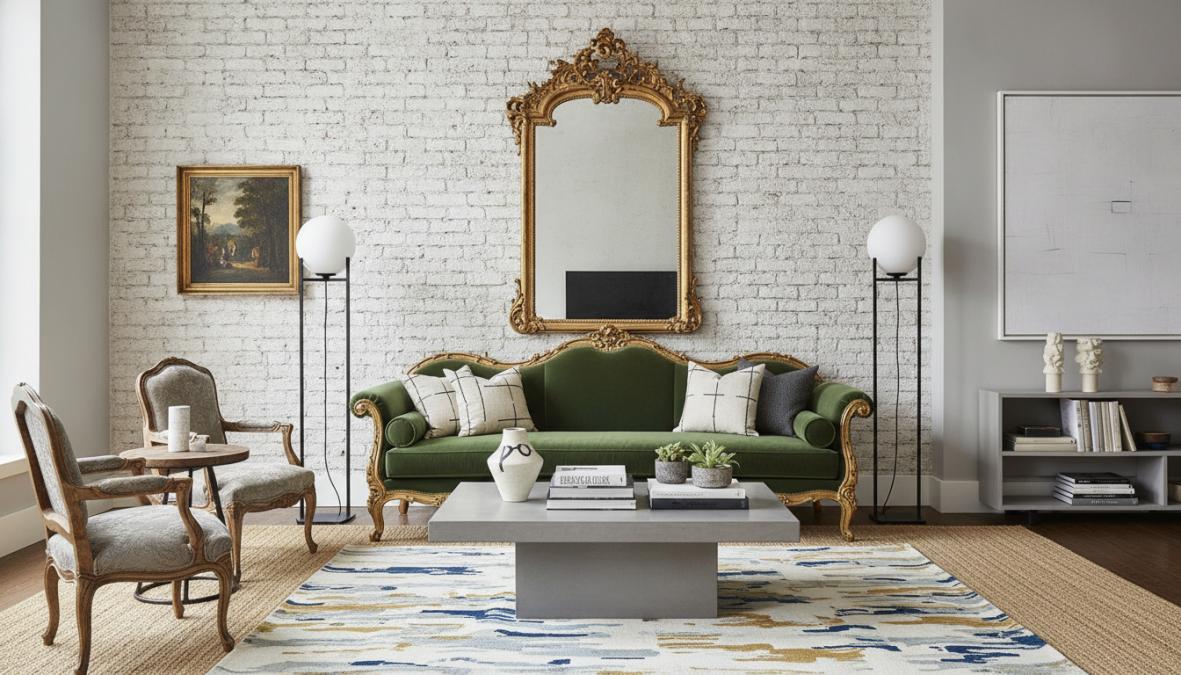
Combining Baroque furniture with modern elements is an art form that requires skill and an understanding of both styles. Combining Baroque furniture with modern design in the living room first requires a clear understanding of the basic rules that make for a successful style mix. At Demotex GmbH, we have over 20 years of experience in designing exclusive living spaces where classic elegance and contemporary design harmoniously coexist. The combination of these contrasting aesthetics creates an ambiance of depth and sophistication that feels neither entirely classic nor completely modern. Below, we show you exactly how to successfully implement these tips for combining Baroque furniture with modern design in your living room.
Combining Baroque Furniture with Modern Design: Basic Rules for a Successful Style Mix
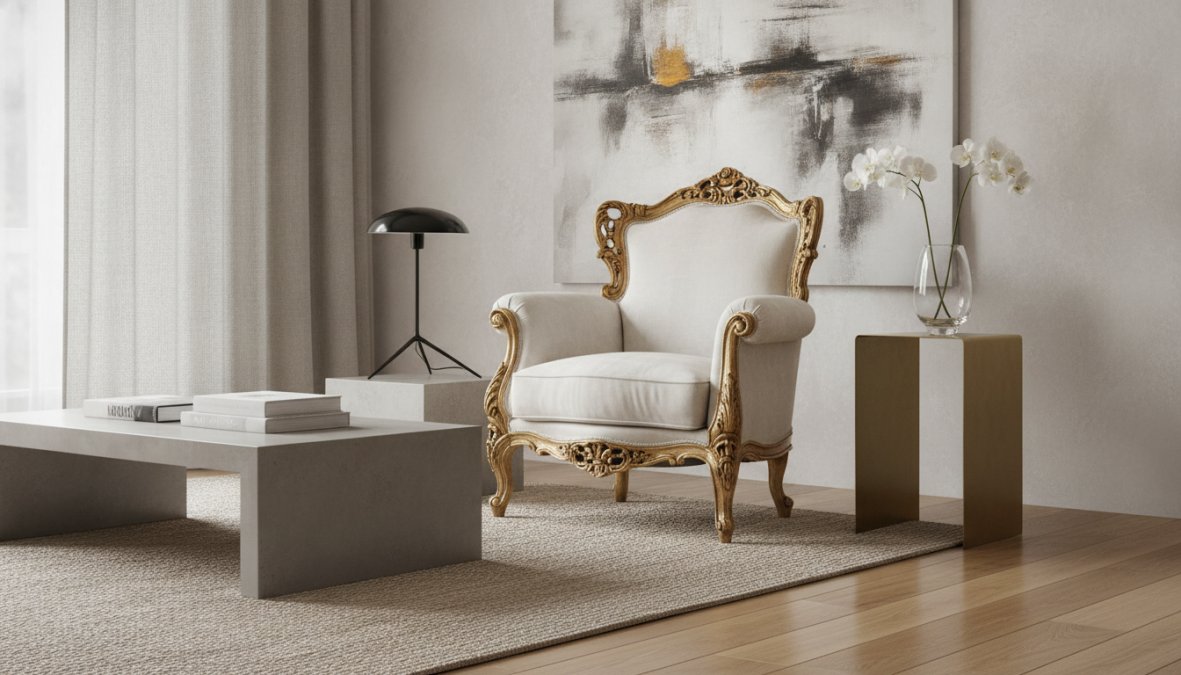
The key to a successful style mix lies in consciously navigating between contrast and harmony. Combining Baroque furniture with modern design does not mean creating two completely opposite worlds, but rather building a bridge between them. The basic rule is: use your Baroque furniture as an accent piece, not as a dominant element. A single Baroque armchair in cream white or deep red can become a stunning focal point when surrounded by minimalist furniture.
Contrast as a Design Principle
Contrast is your strongest ally when combining Baroque furniture with modern design. While Baroque furniture is characterized by its opulent shapes, gilded details, and symmetrical patterns, modern design stands out for its clarity, sleek surfaces, and geometric lines. This contrast creates visual tension that brings the room to life. If you place an elaborately decorated Baroque armchair in your minimalist living room, it immediately becomes a focal point. The surrounding modern furniture with its clean edges and neutral colors makes the Baroque piece appear even more prominent.
A common mistake is introducing too many contrasting elements at once. The result feels chaotic rather than harmonious. The best strategy is to select one or two high-quality Baroque furniture pieces and position them as anchor points in an otherwise modern room. The viewer’s eye is immediately drawn to these pieces without the room feeling cluttered.
:::tipp
Start with a single Baroque accent piece – such as an armchair or a chest of drawers – and deliberately build the rest of the room around it. This prevents visual overload and creates a clean, intentional look.
:::
Preserving Symmetry and Balance
Baroque furniture is inherently symmetrical. It features balanced ornamentation, harmonious proportions, and an inner balance that feels classic. When integrating these pieces into a modern space, you must maintain this balance. This does not mean your entire living room has to be symmetrical – that would be too rigid for a modern living style. Instead, you should respect the symmetry of the Baroque furniture through the arrangement of other elements.
For example, if you place a symmetrical Baroque armchair in a corner, position a modern yet equally prominent element next to it – such as a large green plant or a contemporary piece of art. This visual balance prevents the Baroque furniture from looking isolated. It becomes part of a larger, well-thought-out concept.
Color Concepts: Harmoniously Combining Baroque and Modern Styles
The color palette is crucial for a successful style mix. Baroque furniture is often available in rich, dark colors such as deep red, dark brown, or dark green, frequently combined with cream white, gold, or silver. Modern interiors, on the other hand, rely on neutral colors – gray, white, beige, black – as well as targeted color accents.
The best strategy is to establish a neutral color palette as a base and use your Baroque furniture as a color accent. If your living room is designed in shades of gray and white, a Baroque armchair in deep red or burgundy can become a visual highlight. Alternatively, you can choose a cream-colored Baroque piece that subtly blends into a bright, minimalist room while remaining prominent through its design language.
Another option is using metallic accents. Baroque furniture with gold leaf or bronze details can become part of a coherent concept in a modern room with black or gray walls and metallic accessories (lamps, frames, decorative objects). These metallic elements create a subtle connection between the two styles.
:::fazit
Choose a neutral color palette (gray, white, beige) as a base and use your Baroque furniture as a targeted color accent. This creates balance and prevents visual overload.
:::
Combining Baroque Armchairs with Modern Design: Practical Application
A Baroque armchair is one of the most versatile pieces of Baroque furniture for modern interior design. Its size makes it the perfect focal point without dominating the entire room. Combining a classic Baroque armchair with modern design means positioning it deliberately and framing it with other elements.
Place the armchair in a corner next to a large window – the natural light highlights the details of the furniture. Combine it with a modern, minimalist side table made of metal or light oak. A contemporary piece of art on the wall behind it creates an interesting contrast. A simple, gray rug under the armchair defines the space and creates a subtle zoning effect.
When choosing a Baroque armchair, you should pay attention to quality. Casa Padrino offers exclusive Baroque armchairs crafted with high-quality materials such as solid wood, genuine upholstery, and fine details. These pieces are not only visually stunning but also durable and comfortable – key factors for a living room that is used daily.
Integrating Antique Furniture into Modern Spaces: Material Contrasts and Textiles
Combining antique furniture with modern design requires attention to material contrasts. Baroque furniture is typically crafted from solid wood with intricate carvings. Modern furniture, on the other hand, often utilizes materials such as steel, glass, concrete, or light wood veneers.
Combining Wood Grain and Sleek Surfaces
The contrast between the dark, richly textured wood grain of a Baroque piece and the sleek surfaces of modern furniture creates visual interest. If your Baroque furniture is made of dark walnut or mahogany, surround it with modern pieces made of light oak or smooth, lacquered white. This material contrast enhances the distinctiveness of both styles, making them both stand out more.
Metallic elements play an important role here. A modern steel shelf combined with a Baroque armchair creates an interesting tension between tradition and contemporary spirit. The cold, straight lines of the steel contrast perfectly with the warm, curved shapes of the Baroque furniture.
Using Textiles and Patterns Correctly
Textiles are a powerful tool when combining Baroque furniture with modern design. Baroque furniture is often upholstered in elaborate brocade, damask, or velvet fabrics that feature patterns and texture. To integrate these into a modern space, use textiles as transitional elements.
A modern sofa in linen or cotton in a neutral color can stand next to a patterned Baroque armchair. Drape a simple, solid-colored throw over the modern sofa – this creates a visual connection. Pillows are a subtle tool: choose pillows for the modern sofa in neutral colors but with a texture (such as linen or wool) that reflects the textile quality of the Baroque piece.
A common mistake is combining too many patterns at once. If your Baroque armchair already has an intricate pattern, keep the textures in the rest of the room simple. A solid-colored modern sofa, neutral walls, and minimal patterns in other textiles – this creates balance.
:::warnung
Avoid combining multiple patterned Baroque furniture pieces in one room. The result can easily look cluttered and chaotic. Focus on one or two high-quality Baroque pieces and keep everything else simple.
:::
Decorating a Baroque Chest of Drawers with Modern Style: Showcasing Statement Pieces
A Baroque chest of drawers is a classic accent piece that combines elegance and functionality in a modern living room. Decorating a Baroque chest of drawers with modern style means presenting it not just as storage, but as an art object.
Place the chest of drawers against an open wall, ideally opposite a window or door, so it immediately catches the eye. Hang a large, contemporary piece of art – such as an abstract painting or a photograph – directly above it. This creates an interesting dialogue between the classic furniture and modern art. On the chest of drawers itself, arrange only a few, carefully selected objects: perhaps a modern sculpture, a beautifully bound book, and a single green plant. This minimalist decoration highlights the elegance of the furniture.
Casa Padrino offers exquisite Baroque chests of drawers crafted with artisanal precision. These pieces are not only beautiful to look at but also practical – with ample storage space for living room essentials. The combination of functionality and aesthetic sophistication makes them ideal furniture pieces for a modern living style that values substance.
Minimalism as a Backdrop for Baroque Accessories
Minimalism is the perfect counterpart to Baroque furniture. A minimalist room with clean lines, neutral colors, and few objects creates the ideal stage for Baroque elements. The empty space allows Baroque furniture to appear even more prominent – turning it into a work of art in a gallery-like setting.
This does not mean your living room has to be completely empty. Instead, it is about making conscious choices. Every piece of furniture, every accessory should have a reason to be there. A minimalist living room with a single, stunning Baroque armchair, a modern coffee table, and nothing more than a piece of art on the wall – this is a coherent, impressive design.
Baroque accessories such as mirrors with ornamental frames, candlesticks, or vases can have a particularly powerful effect in a minimalist space. Choose one or two high-quality pieces and place them deliberately. A large Baroque mirror with a gilded frame above a modern sideboard creates a visual anchor. A single Baroque candlestick on the coffee table is a subtle yet elegant detail.
Lighting and Room Atmosphere: The Often Overlooked Role of Light
Lighting is a crucial but often overlooked factor when combining Baroque furniture with modern design. Baroque furniture, with its details, carvings, and surface textures, requires the right light to unfold its beauty. At the same time, the lighting must be modern and functional.
A lighting concept should have multiple levels: ambient light (ceiling fixture), task light (reading lamp), and accent light (spotlights). For Baroque furniture, soft, warm light is ideal. It highlights the warmth of the wood and the elegance of the details. A modern pendant light with warm white LED light above the coffee table creates a functional yet aesthetic solution.
Use spotlights to highlight specific Baroque furniture pieces. A single, adjustable spotlight aimed at a Baroque armchair adds drama and creates a focus. This is a technique used in museums and galleries – and it works just as well in a private living room.
Avoid harsh, cold light. This would make the Baroque furniture look harsh and uninviting, and make the modern room feel cold. Instead, choose lighting fixtures that glow warmly and support the ambiance of the room.
:::tipp
Install dimmers on your lights. This allows you to adjust the lighting mood depending on the time of day and occasion. Dimmed, warm light in the evening creates an inviting atmosphere that showcases Baroque furniture beautifully.
:::
Avoiding Common Mistakes When Combining Baroque Furniture
There are several typical mistakes that occur when combining Baroque furniture with modern design. Understanding these pitfalls helps you create a coherent, successful space.
The first mistake is overcrowding. Too many Baroque pieces in one room lead to visual chaos. The eye does not know where to look, and the room feels cluttered. The solution: limit yourself to one or two high-quality Baroque pieces per room.
The second mistake is neglecting balance. If you place a large, elaborate Baroque piece in a corner and leave the rest of the room completely empty, it looks unintentional. Create visual balance through other elements – artwork, plants, lighting.
The third mistake is the wrong choice of colors. If your Baroque furniture is in deep red and you surround it with other dark colors (dark blue walls, dark brown sofa), the room will feel dark and oppressive. Use contrast – light walls, light furniture – to make the Baroque piece shine.
The fourth mistake is neglecting quality. Cheap, imitation Baroque furniture looks cheap and contradicts the aesthetics of a well-thought-out, modern space. Invest in high-quality, handcrafted pieces that are built to last.
| Common Mistake | Cause | Solution |
|---|---|---|
| Overcrowding with Baroque furniture | Too many ornamental pieces at once | Limit to 1-2 high-quality Baroque pieces per room |
| Lack of visual balance | Large Baroque piece without a counterweight | Use artwork, plants, or lighting as balancing elements |
| Dark and oppressive-looking room | Too many dark colors combined | Use light walls and furniture as a contrast |
| Cheap, imitation look | Low-quality Baroque imitations | Invest in genuine, handcrafted pieces |
| Incoherent room | No clear design strategy | Choose one or two Baroque pieces as anchor points and design around them |
Combining Baroque furniture with modern design is a rewarding challenge that adds depth, elegance, and personality to your living room. The basic principles – conscious contrast, balance, high-quality materials, and thoughtful lighting – are your guide. Casa Padrino understands the art of this combination and offers exclusive Baroque furniture designed specifically for sophisticated living spaces. With over 20 years of experience in designing luxury interiors, we have learned how to combine classic elegance with contemporary design. Visit casa-padrino.de and discover our collection of handcrafted Baroque furniture, perfectly suited for your modern living room. Be inspired by our luxury furniture solutions and create a space that is timelessly elegant and contemporary at the same time.
Frequently Asked Questions
How do you combine Baroque furniture with modern furniture in the living room?
Combining Baroque furniture with modern design works through conscious contrasts: place a statement Baroque piece, such as an ornamentally decorated armchair or a chest of drawers, as an accent piece in an otherwise minimalist room. It is important that the modern environment, with its sleek surfaces, neutral colors, and contemporary design, gives the individual Baroque piece room to shine. Casa Padrino offers exquisite Baroque furniture that integrates elegantly into modern living concepts.
Which colors go well with Baroque furniture in a modern living room?
The best color palette for Baroque furniture in a modern context consists of neutral tones like cream white, gray, and beige as a base, combined with targeted accent colors. Dark wood in Baroque furniture harmonizes beautifully with white or light gray walls. Gold or bronze accents from classic Baroque elements can be complemented by modern metallic details like stainless steel or brass without looking kitschy.
How does a Baroque armchair look in a modern apartment?
A Baroque armchair combined with modern design creates a delightful style mix that blends elegance with the contemporary. By placing it as an eye-catcher in a minimalist room, the armchair becomes a statement piece and creates visual harmony instead of chaos. The psychology of space shows that a carefully selected classic piece of furniture in a modern environment radiates depth, character, and luxury – especially when the surrounding interior is deliberately kept simple.
Can you really combine Baroque and minimalism?
Yes, Baroque and minimalism actually form one of the most successful combinations in modern interior design. Minimalism serves as a visual backdrop that highlights the ornamental details of the Baroque style instead of overshadowing them. This works particularly well if you use a maximum of two to three Baroque accent pieces per room and surround them with minimalist textiles, neutral walls, and generous empty spaces.